dev-tools
NullClaw: a 678 KB Zig runtime for AI agents
NullClaw is a MIT-licensed Zig runtime for autonomous AI agents: a 678 KB static binary that boots in under 2 ms with 50+ providers.
#ai-tools#zig#self-hosted
Tag
152 posts tagged #ai-agents
Agent work in practice: frameworks, memory layers, tool use, evaluation loops, orchestration. The setup details behind the hype.
NullClaw is a MIT-licensed Zig runtime for autonomous AI agents: a 678 KB static binary that boots in under 2 ms with 50+ providers.
Graphify parses code, docs, SQL schemas, configs and PDFs into a queryable knowledge graph with local AST parsing, explained edges and no vector store.
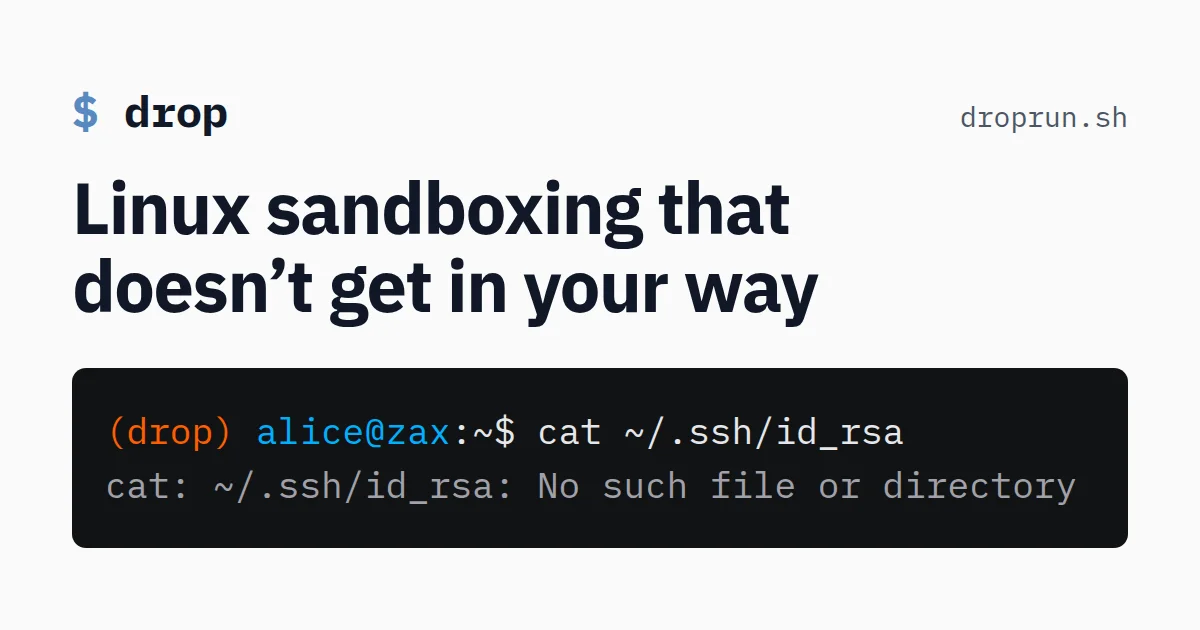
Drop gives AI coding agents their own Linux namespace, hiding your SSH keys and blocking localhost access. Here is how to install and run it.
Orca is a TypeScript workspace for running fleets of coding agents like Grok Bot and Claude Code with your own subscription, on desktop, mobile or remote.
ai-job-search runs job applications on your own machine, using Claude Code to evaluate postings, tailor CVs, write cover letters, and prep interviews.
The Android team publishes modular SKILL.md instruction files that ground coding agents in Android workflows, installed via CLI or plugin.
Ruflo is a TypeScript agent harness for multi-player agent swarms, with adaptive memory, federation, and vector RAG. MIT licensed, 75,155 stars.
free-claude-code is a Python CLI that fronts Claude Code, Codex, and other coding harnesses from terminal, IDE, or phone. 59,183 GitHub stars.

rea is a TypeScript CLI that lets AI agents reverse engineer software, from app behavior down to native binaries. MIT licensed, 9.6k stars.

agency-agents is an MIT licensed, 157,285 star repository of specialized AI agent personas, each one shipping its own process and deliverables.

cloudflare-os is an agent workspace built on Cloudflare Workers for creating documents, building apps, and running agents with company context, with 10,581 GitHub stars.

claude-mem keeps context across AI coding agent sessions, compressing session activity and injecting relevant memory back, with 95,605 GitHub stars.

codegraph indexes a local code knowledge graph, auto syncs on code changes, and names nine agent harnesses as targets. C, MIT licensed, 72,972 stars.

google/skills collects Agent Skills for Google products and technologies. Apache-2.0 licensed, Python, 20,758 stars, 1,723 forks, pushed yesterday.

marketingskills packages CRO, copywriting, SEO, and analytics guidance as skills for Claude Code, Codex, and other AI agents. MIT licensed, 52,424 stars.

caveman is a Go skill and proxy that claims to cut coding agent token usage by 65%. Apache-2.0 licensed, 109,113 stars, 6,316 forks.

NVIDIA OpenShell is an Apache-2.0 Rust runtime that the company positions as a safe, private place to run autonomous AI agents.

openrig is an Apache-2.0 multi-agent harness that runs Claude Code and Codex CLI together, with agent skills, orchestration, and tmux in its topic list.
The Interface wraps a Jupyter-based MCP dev tool in a Sims-style simulation. Drop AI agents into a virtual home and watch them cook, gossip, and sleep.

Paperclip is the open-source TypeScript app teams use to manage AI agents at work. 87K stars on GitHub, MIT licensed.

Coder provisions secure remote dev environments for engineers and AI agents. Go, AGPL-3.0, 15,307 stars, with self-hosted and cloud editions at coder.com.

TencentCloud's Octop is a self-hosted AI assistant built for multiple users and multiple agents, with long-term memory and local-first operation. MIT, Python, 3,490 stars.

Tencent's BrowserSkill bridges AI coding agents to a real, authenticated browser via CLI plus extension, so agents can use logged-in sessions without stealing your keyboard.

Pi is a TypeScript AI agent toolkit with a unified LLM API, agent loop, terminal UI, and coding-agent CLI. MIT-licensed, used by 100k+ stars worth of developers.

LibreChat is a self-hostable AI chat UI that supports OpenAI, Anthropic, AWS, Azure, DeepSeek, Gemini, and more. TypeScript, MIT-licensed, with MCP, agents, and multi-user auth.

Tech Leads Club maintains a secure, validated skill registry for AI coding agents. Extend Antigravity, Claude Code, Cursor, Copilot and more with confidence. TypeScript, NOASSERTION license.

Oh-My-Hermes is an all-in-one plugin for the Hermes coding agent: long-term memory, model-optimized workflows, and packaged utilities that turn a coding session into a structured agent run.

Self-hosted multi-agent AI system built in Go that autonomously performs complex penetration testing tasks using Anthropic and OpenAI models.

A curated collection of 100+ open-source AI agent, agent skill, and RAG app examples in Python. Apache 2.0 licensed and actively maintained.

Self-hosted CRM with native AI agents and WhatsApp (WAHA) integration. Open alternative to Kommo, Octadesk, and other paid sales platforms.
Workflow86 is a no-code platform for building agentic workflows that combine AI agents, human review steps, and 100+ integrations for complex long-running business processes.
mcp-use is an MIT-licensed TypeScript framework for building MCP servers and AI apps with Zod schemas, React Views, and built-in debugging tools.
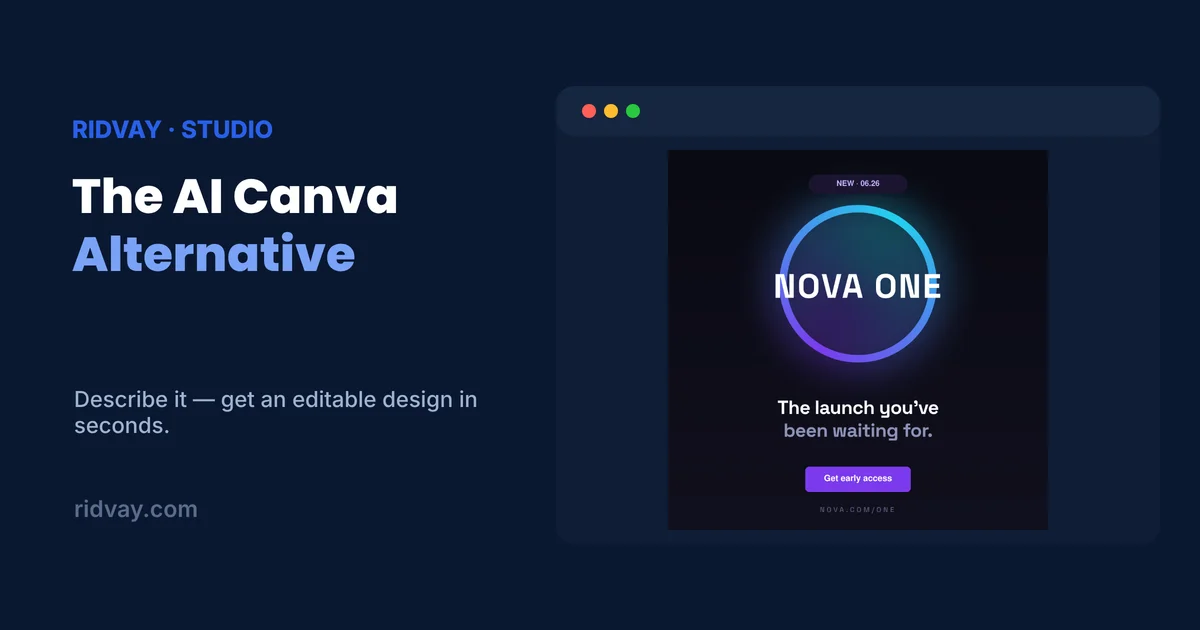
Ridvay Code plans tasks, writes code, runs tests, and fixes errors automatically in VS Code. Works with Claude, Ollama, and LM Studio. Zero telemetry.
Agent-first web browser for AI agents. Simulates human typing and mouse movement. Built on Playwright with a CLI for profile and browser context management.
Insurance for AI agents, humanoid robots, and drones with audit-gated underwriting and minute-level quotes.
Vizzly captures screenshots from real tests, compares them to approved baselines, and gives coding agents review data — diffs, comments, approvals — they can act on.
unf watches your directories and snapshots every file change automatically, letting you rewind to any second in time. Built for the AI agent era where a single errant write can wipe hours of work.
Hot Dev is an open-source platform for building backend workflows—events, schedules, AI agents, and MCP tools—with a custom language, local dev runtime, and one-command deploys.

MCPS adds ECDSA P-256 + SHA-256 signing, replay protection, and tool integrity verification to the Model Context Protocol. Drop-in secure replacement for the MCP SDK.
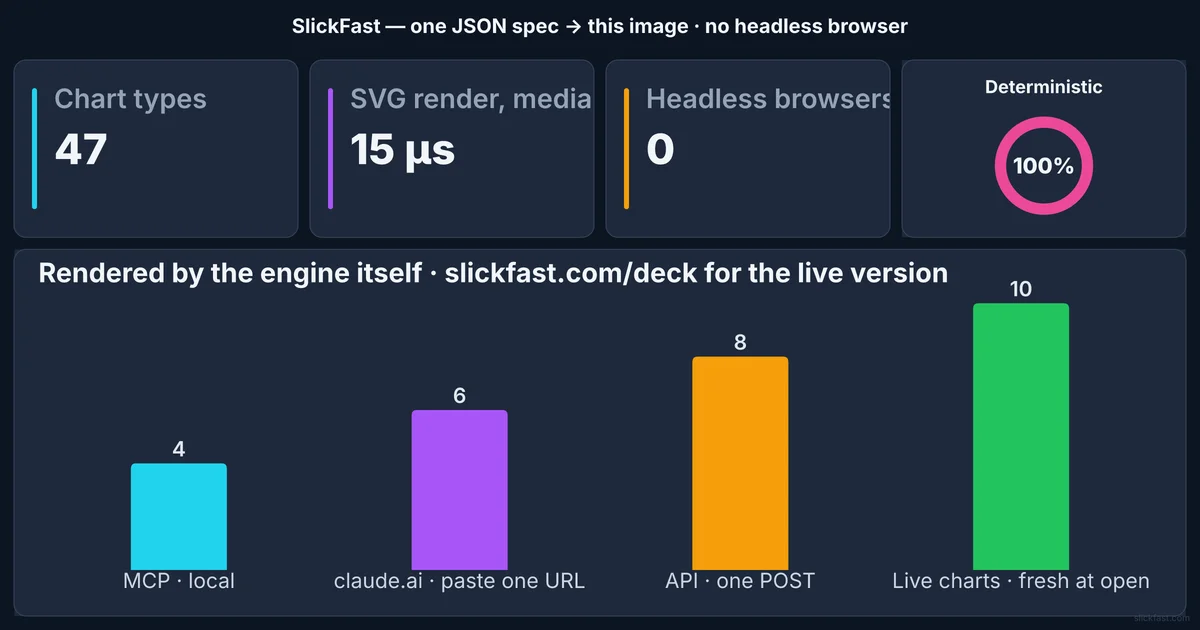
SlickFast renders 47 chart types from a tiny JSON spec via a free MCP server. Pure SVG engine, deterministic output, no headless browser — 140K renders/sec on M1 Max.

Open-source MCP gateway that monitors and blocks data leaks by AI agents. Tracks the lethal trifecta: private data access, untrusted content, and external writes.
AgentPort lets you connect AI agents to Stripe, GitHub, Gmail and 50+ services with approval policies, full audit logs, and zero credential exposure.
qm is an open-source multiplayer AI agent harness that runs in Slack and on the web. Each employee gets an isolated workspace, and teams collaborate in shared channels and projects.
Browserable is an open-source library that gives AI agents reliable browser control — navigation, form fills, clicks, and data extraction — scoring 90.4% on the Web Voyager benchmark.
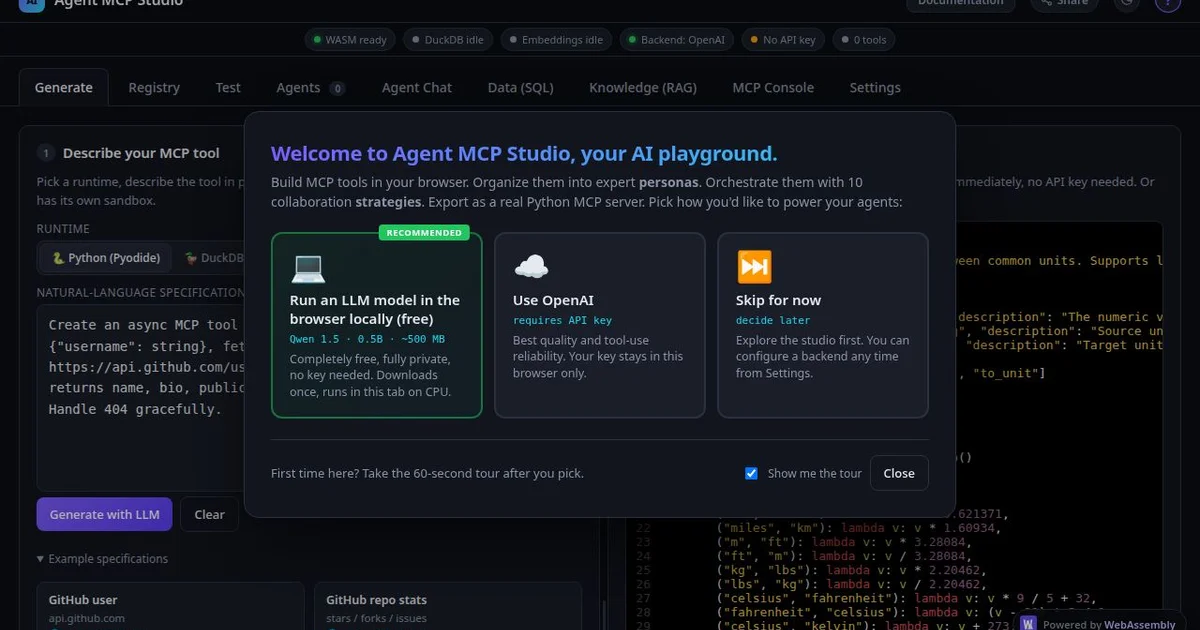
A browser-based studio for building MCP agent systems. Design multi-agent workflows visually, run them in Pyodide WASM, then export as production Python servers.
VibeBrowser MCP connects Claude Code, Cursor, VS Code Copilot, and OpenCode to your actual Chrome profile — cookies, sessions, and all — via a hosted relay. No local browser install needed.
Smooth CLI replaces low-level browser automation with natural language commands, letting AI agents handle web tasks without context-window bloat or token waste.
Open source AI automation platform with 280+ MCP tools, self-hosted deployment, and a visual flow builder — alternative to Zapier with AI-native features.
pg-mcp bridges PostgreSQL and AI agents through the Model Context Protocol, exposing schema introspection, read-only queries, and EXPLAIN analysis as tools any LLM can call.
A remote MCP server that lets AI agents search, publish, fork, and improve browser games on GameFork — TIC-80 cartridges, HTML games, and more.

Safari MCP drives your real Safari browser from any MCP-compatible AI coding agent. 97 tools, no Puppeteer or Playwright needed, ~60% less CPU than Chrome.
Open-source gateway that stores API credentials once and injects them transparently for AI agents. Never give agents your real keys.
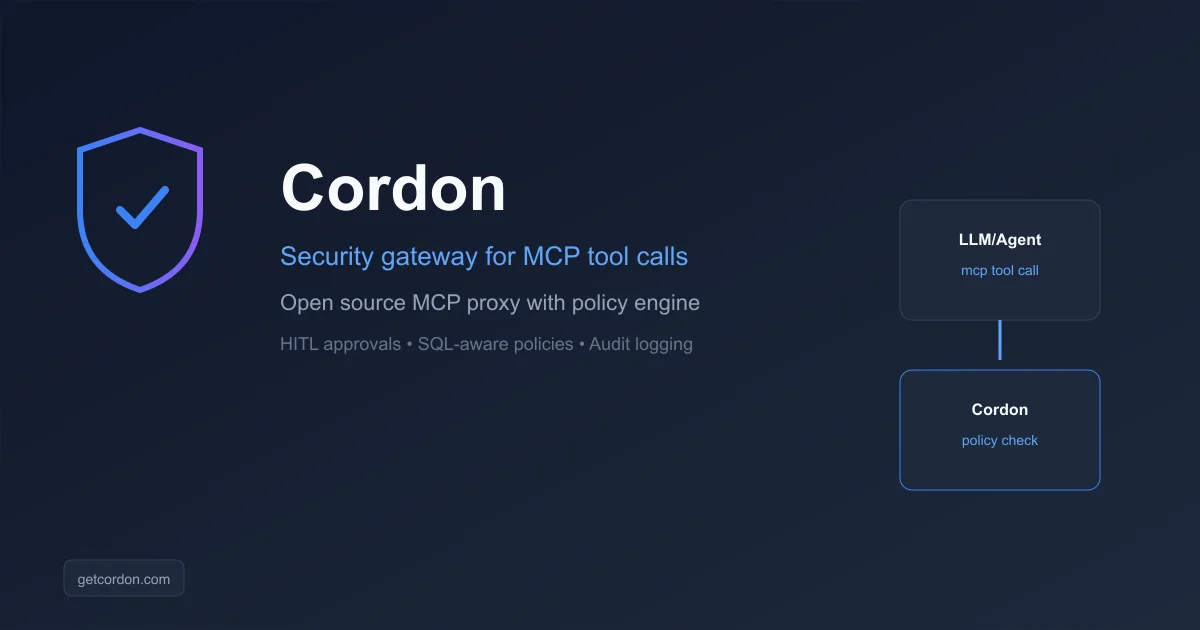
Cordon is an open-source security gateway that sits between AI agents and MCP servers, enforcing policy-based access control with human-in-the-loop approvals.
Open-source observability for MCP servers. TypeScript and Python SDKs plus a CLI, with real-time tracing, per-tool latency breakdown, and alerting.
Klavis AI provides MCP integration platforms that let AI agents use 100+ prebuilt tools reliably at any scale, with self-hosting, Python and TypeScript SDKs, and REST API. Apache-2.0 licensed.
Smithery connects AI agents to 300+ MCP tools — weather, crypto, search, DNS and more — with auth and credentials handled for you.

Cloud-hosted AI agents that control a real browser to automate web workflows — prospecting, outreach, social media, and lead generation without code.
TopSend charges $20/month for unlimited email campaigns, transactional emails, and AI agent API access — no per-contact fees.
Browser Harness connects an LLM directly to your Chrome browser via CDP, letting the agent write its own helper code when tasks require custom logic.
A practical guide to Nanobot, the open-source standalone MCP host that lets you build dedicated AI agents from any MCP server with a YAML config.
Kybernis adds an idempotency and execution ledger layer to AI agents. Prevents duplicate refunds, repeated mutations, and inconsistent state. Framework-neutral.

Open-source platform for building multi-task AI agents with a no-code interface, PostgreSQL backend, and support for OpenAI, Anthropic, and Gemini models
l6e is an open-source MCP server that adds cost enforcement to Cursor, Claude Code, and Windsurf. Set a session budget, and the agent checkpoints and halts when spending gets too high. Free MIT tool.
agentmbox gives AI agents their own email inbox without sign-ups or API keys. Agents pay per request via x402 USDC on Solana or Base — $0.50 to create a mailbox, $0.005 to send.
An analytics workspace built for AI agents. Connect data sources, build dashboards with Claude/Cursor/ChatGPT, and share durable traceable reports instead of one-off chat threads.
Actionbook turns any website into an AI-agent-operable page via MCP connector and Chrome extension. No CLI install, handles logins and paywalls, 10x faster than traditional browser agents.
Browser Use is an open-source AI agent framework with 99K GitHub stars that controls real browsers via Python. This guide covers setup with Cursor and Claude Code, CLI usage, and when to pick
AIMX is a self-hosted SMTP server with built-in MCP integration. Give AI agents their own email addresses with Markdown-based storage and DKIM trust.
YC-backed endpoint security for AI coding agents. Monitors Cursor and Claude Code at OS level with eBPF and ESF. Tracks file access, network, and processes independently.
Deploy CrewAI, LangGraph, and LangGraph.js agents with a single command. Real-time streaming, auto-scaling, and zero infrastructure to manage.
Build and deploy durable AI agent workflows in TypeScript. Open-source Zapier alternative with retries, queues, observability, and self-hosting.
Build, run, and export MCP tools and AI agents entirely in your browser. No install, no server, no backend. Powered by Pyodide WASM and DuckDB-WASM for free.
Awesome Architecture is a bilingual architecture knowledge base with 26 tutorials, 25 system maps, and 6 end-to-end cases for developers designing AI and distributed systems.
Google's Antigravity SDK packages typed tools, streaming responses, MCP integration, hooks, and triggers into one Python agent runtime for production-grade workflows.
OpenSquilla combines routing, planning, memory, and optional MCP support into a token-efficient local-first agent workflow with practical CLI setup and tradeoffs.
Browse 5,000+ MCP connectors for Claude, ChatGPT, and Cursor. Glama provides a live registry with uptime monitoring, direct connection, and a gateway for remote MCP servers.
Obot is an open-source MCP gateway that manages MCP servers, Skills, access policies, audit logs, and integrations for AI agents. Deploy via Docker, connect to any MCP client.
Spec27 from Safe Intelligence is a spec-first testing platform for AI agents. It generates adversarial tests from declarative specs and validates vendor agents without SDK access.
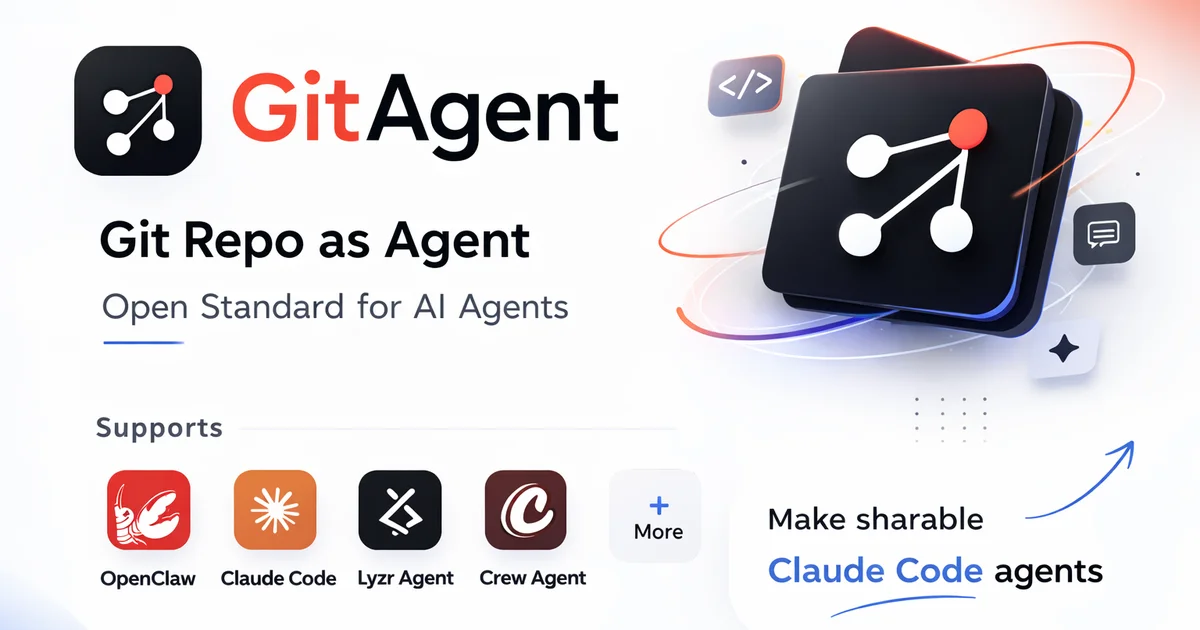
GitAgent turns any git repo into a portable AI agent definition. Framework-agnostic, version-controlled, with Claude Code, OpenAI, and CrewAI adapters.
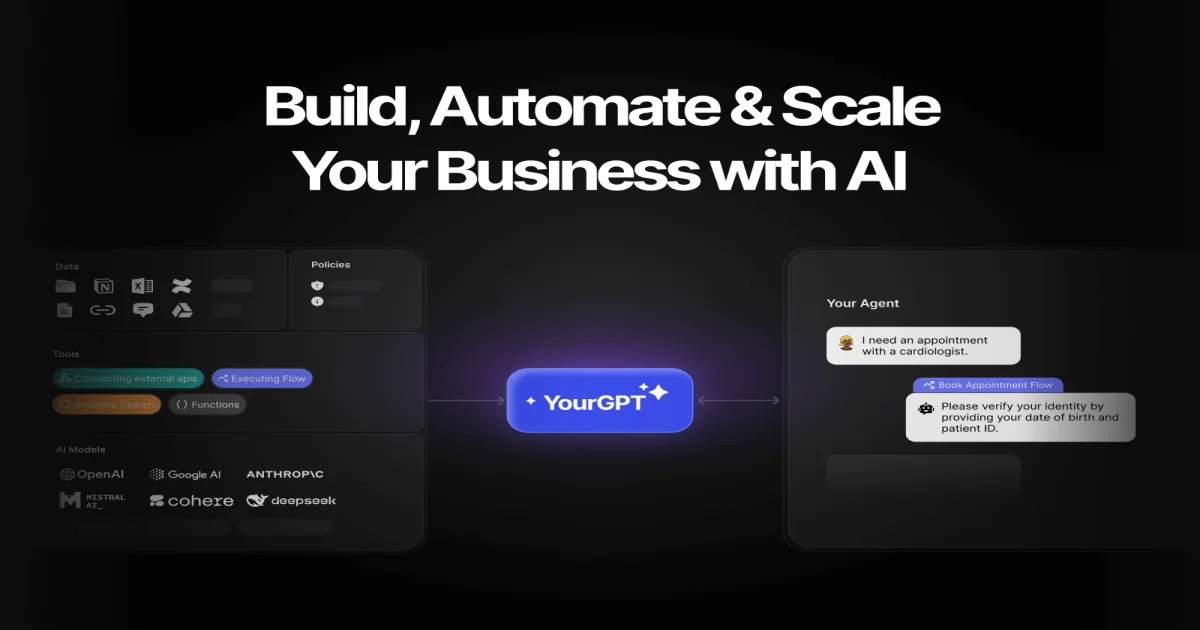
YourGPT 2.0 unifies chatbot, voice, and helpdesk into one AI agent platform with native MCP marketplace support, multimodal inputs, and 20+ integrations.
Mercury Agent Skills collects reusable packs for Mercury Agent, OpenClaw, and Hermes so teams can add memory, workflows, and domain playbooks faster.
agentcookie syncs Chrome cookies, CLI bearer tokens, and API keys between Macs over Tailscale so agent machines stay authenticated without repeated logins.
WeSight wraps Codex, Claude Code, OpenClaw, and other local agent CLIs in one macOS workspace with model routing, runtime metrics, and skills.
Query multiple data sources with GraphQL-style syntax without a data warehouse. Nerve stitches SaaS APIs into one mega-API for AI agents and internal tools.

Superglue (YC W25) turns natural language into production API integrations. Build workflows connecting Stripe, Salesforce, legacy SOAP, and more with schema drift detection and MCP support.
SuperHQ runs Claude Code, Codex, and custom AI agents in isolated microVMs on macOS. Each agent gets its own sandbox with secure auth gateway and diff review.
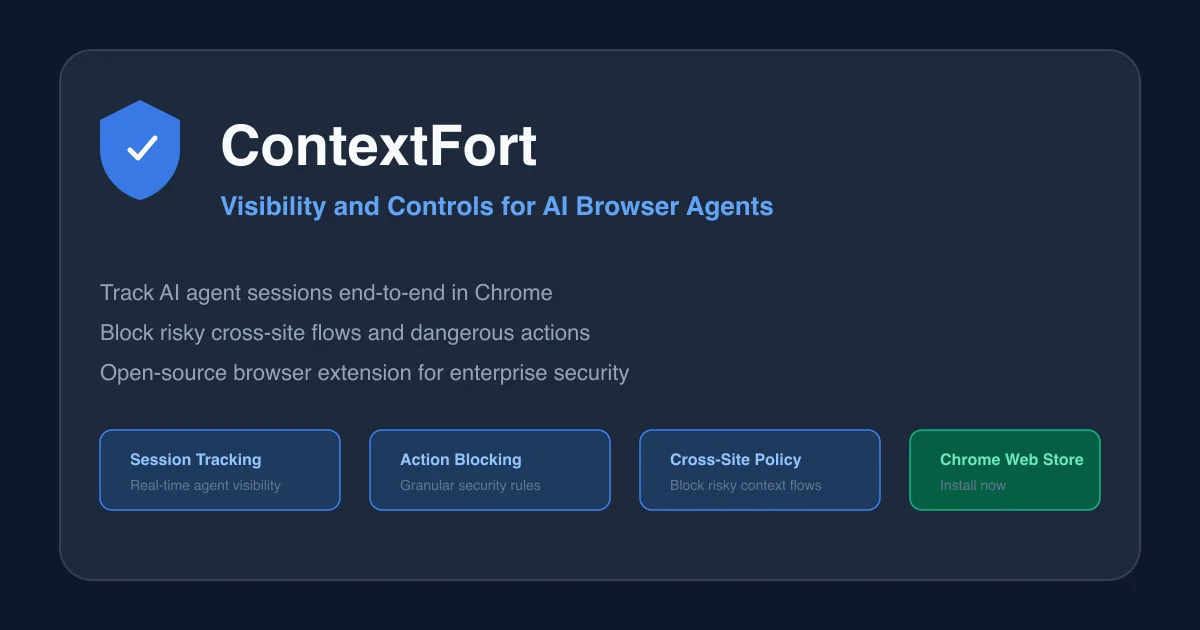
ContextFort is an open-source Chrome extension that gives security teams visibility and granular controls over AI browser agents like Claude in Chrome.
Run AI agents in hardware-encrypted TEEs backed by AMD SEV-SNP. Private inference, vTPM-bound keys, and TEE-attested execution for OpenClaw workloads.
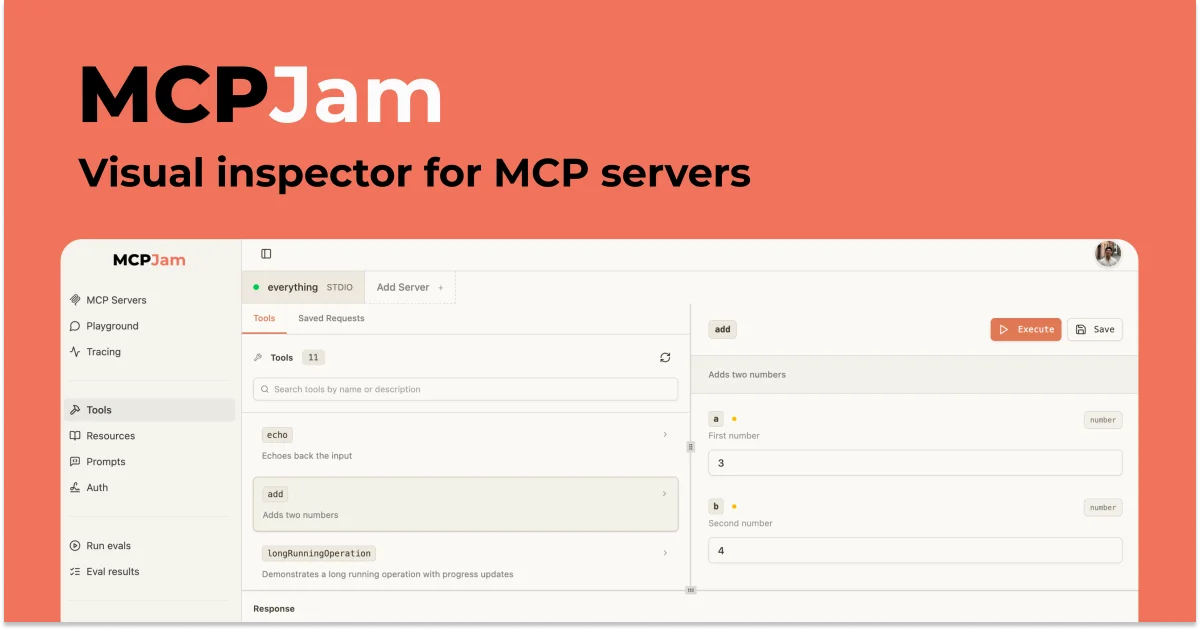
Open-source MCP testing platform: Playground, OAuth conformance, evals across models, and a Skills tab that teaches agents how to use your MCP tools.
Pando is a code firewall for AI agents that indexes your AST and gives Claude, Gemini, and Codex compiler-checked edits, atomic snapshots, and 100x token savings.
Eve is a managed OpenClaw agent harness that runs billing, support, releases, and revenue ops across 3,000+ integrations from iMessage, Slack, and email.
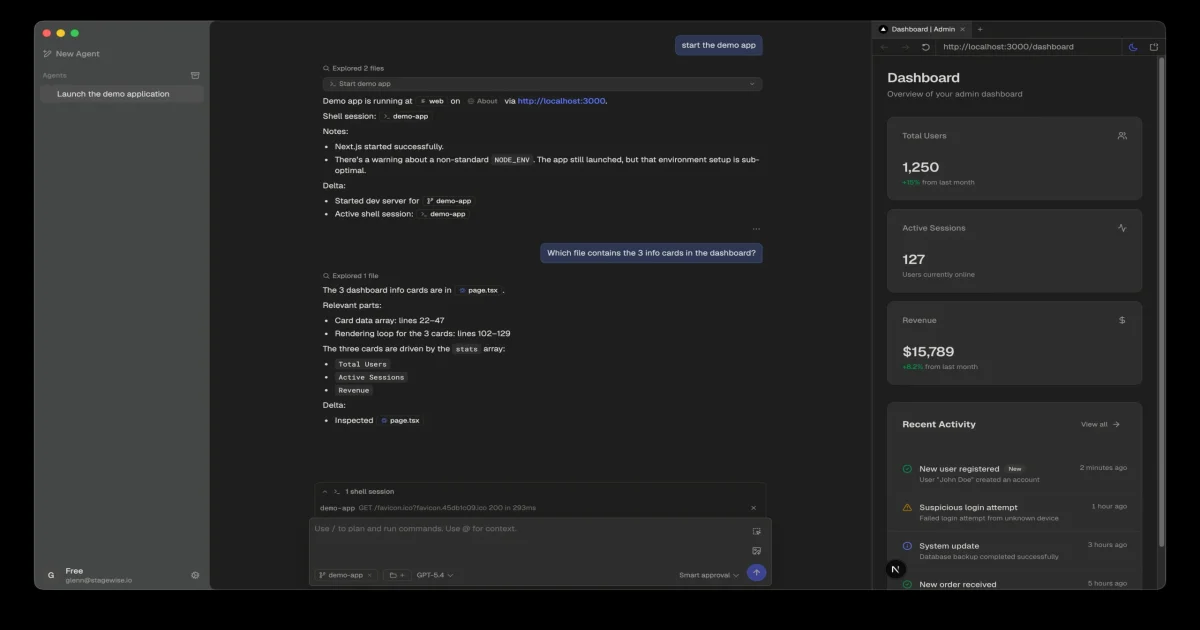
Stagewise is an open source agentic IDE (AGPLv3) that ships a coding agent with full tab console/debugger access, supports 25+ models via BYOK, and orchestrates agents across git workflows.
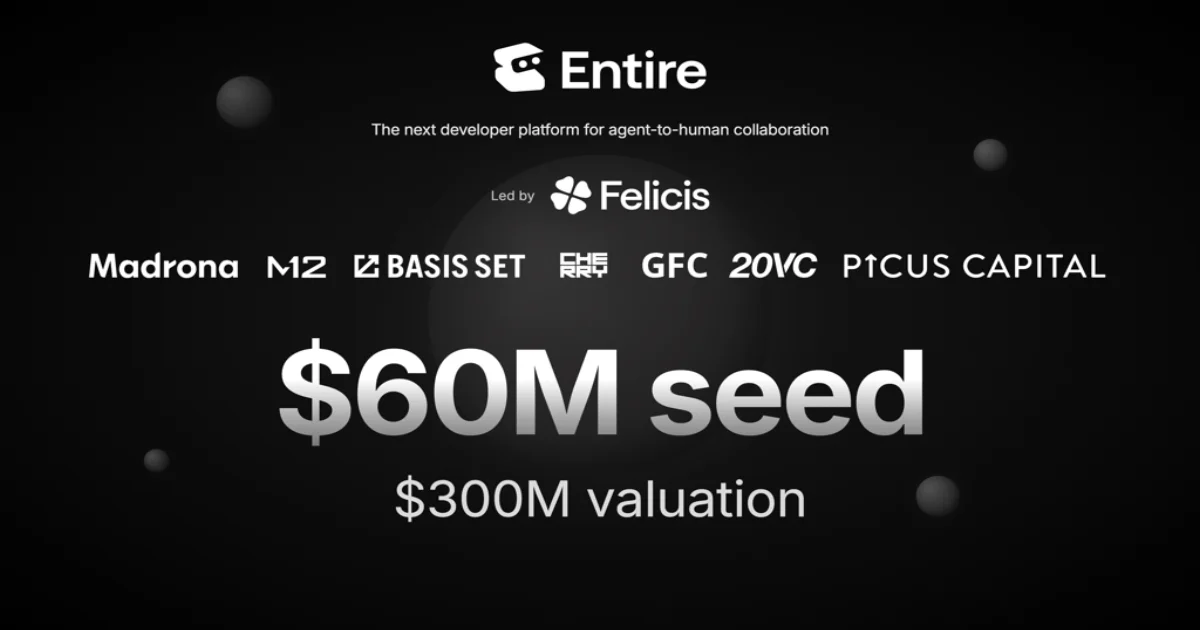
Entire ships Checkpoints that capture AI agent sessions as versioned Git metadata, backed by $60M from Felicis and led by ex-GitHub CEO Thomas Dohmke.
Open-source trust infrastructure that gives AI agents behavioral contracts, real-time integrity monitoring, and cryptographic trust ratings across multi-agent systems.

Rivet is an open-source desktop IDE from Ironclad for building, debugging, and deploying LLM prompt graphs. Ships with a TypeScript runtime library.
BracketMadness.ai is a March Madness bracket challenge designed for AI agents, not humans. Agent-first UX, plain-text API docs, and a real leaderboard ranking models.

CSS Studio is a browser-based visual editor that streams layout and style changes to Claude Code, Codex, and Cursor via MCP. From the Motion team.

Rtrvr.ai exposes your Chrome as a remote MCP server so any AI agent can drive it. Learn how the architecture works and how to set it up in minutes.
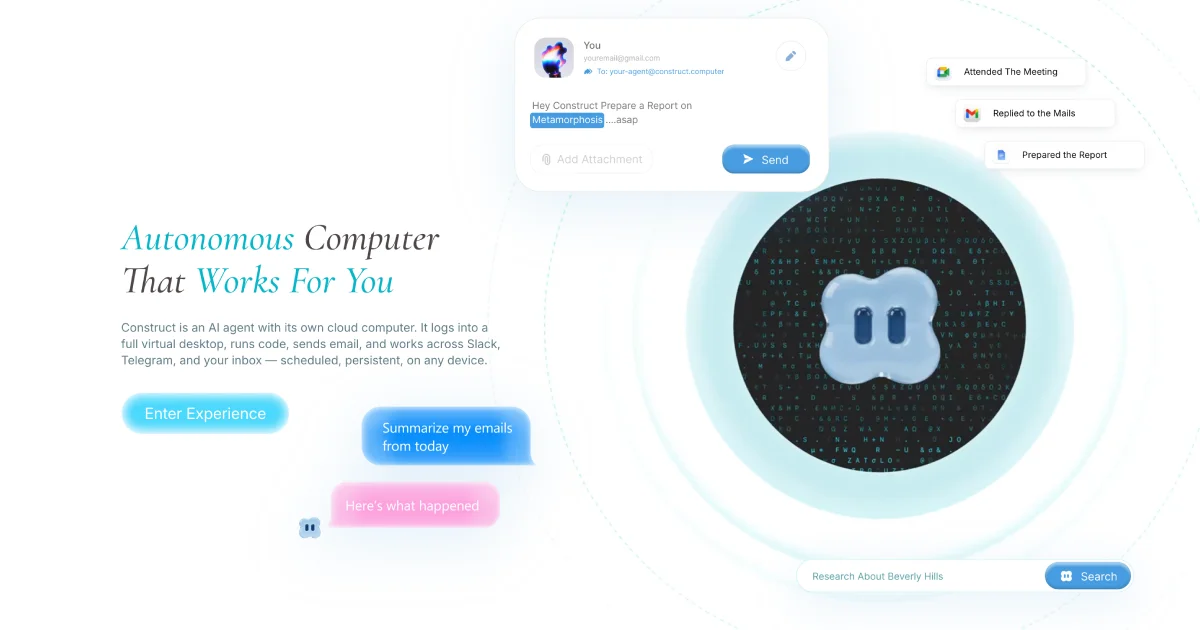
Construct Computer gives autonomous AI agents a persistent cloud desktop, an email address, and live browser access so they can run real work schedules, not just one-off API calls.
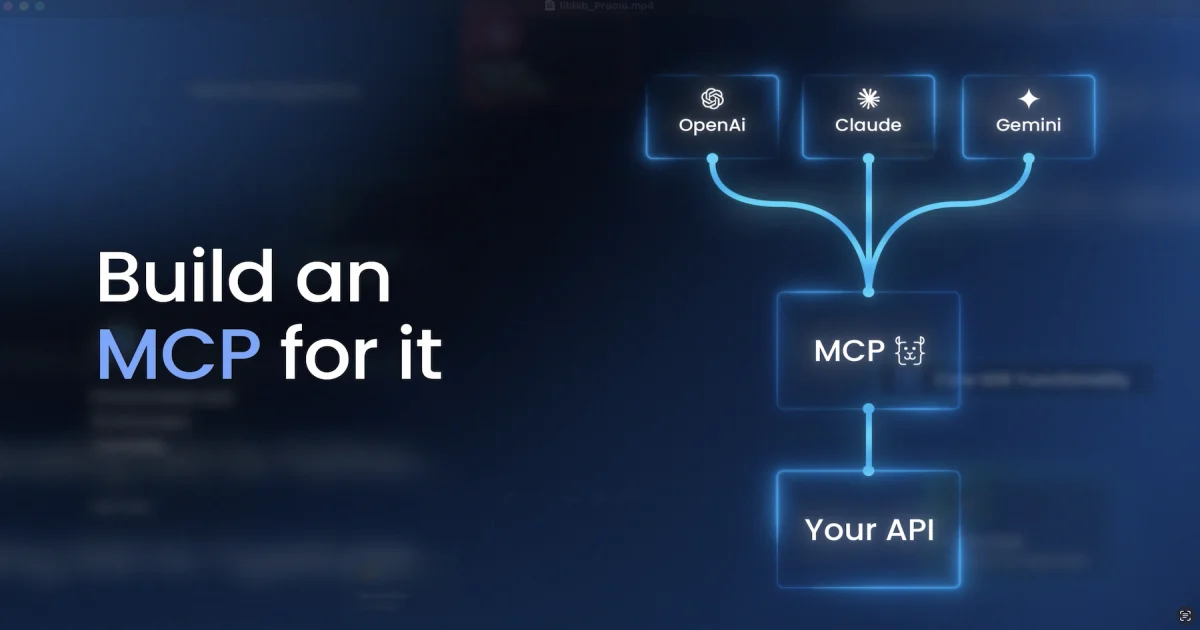
liblab MCP Generator turns any OpenAPI spec into a deployed, hosted Model Context Protocol server in 30 seconds, ready to plug into Claude, ChatGPT, or Cursor.
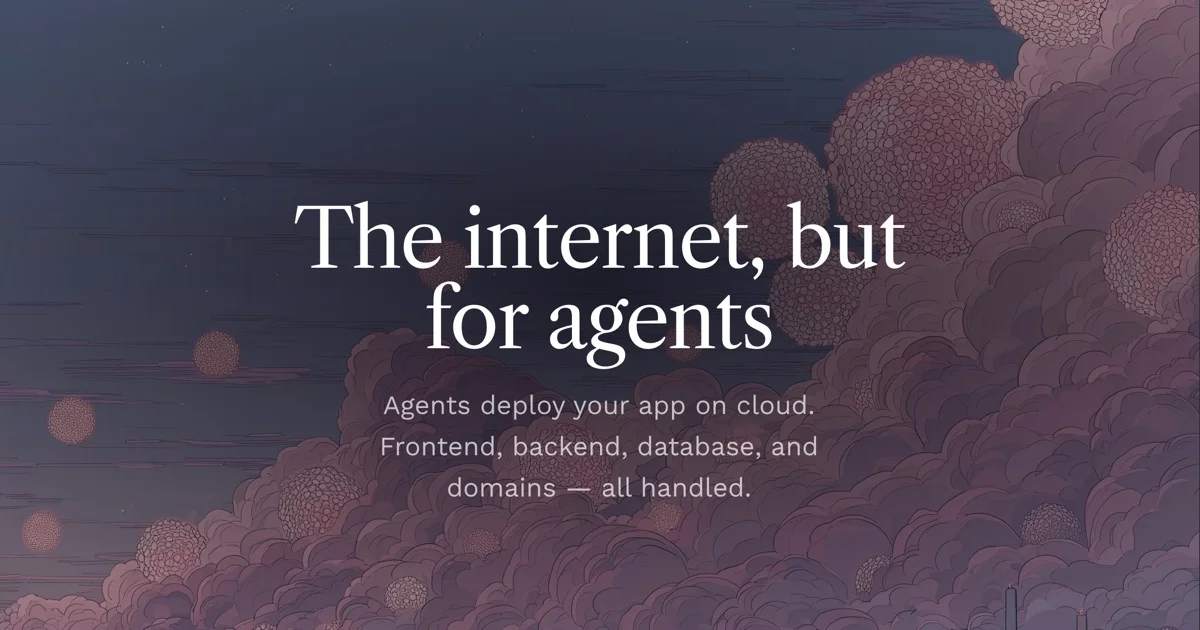
Ink is a deployment platform designed for AI agents, with MCP, Skills, and CLI integrations. Agents ship services in under a minute, billed per-minute while running.

JungleGym is an a16z open-source playground with three web-agent datasets and TreeVoyager DOM parser for benchmarking and training autonomous agents.
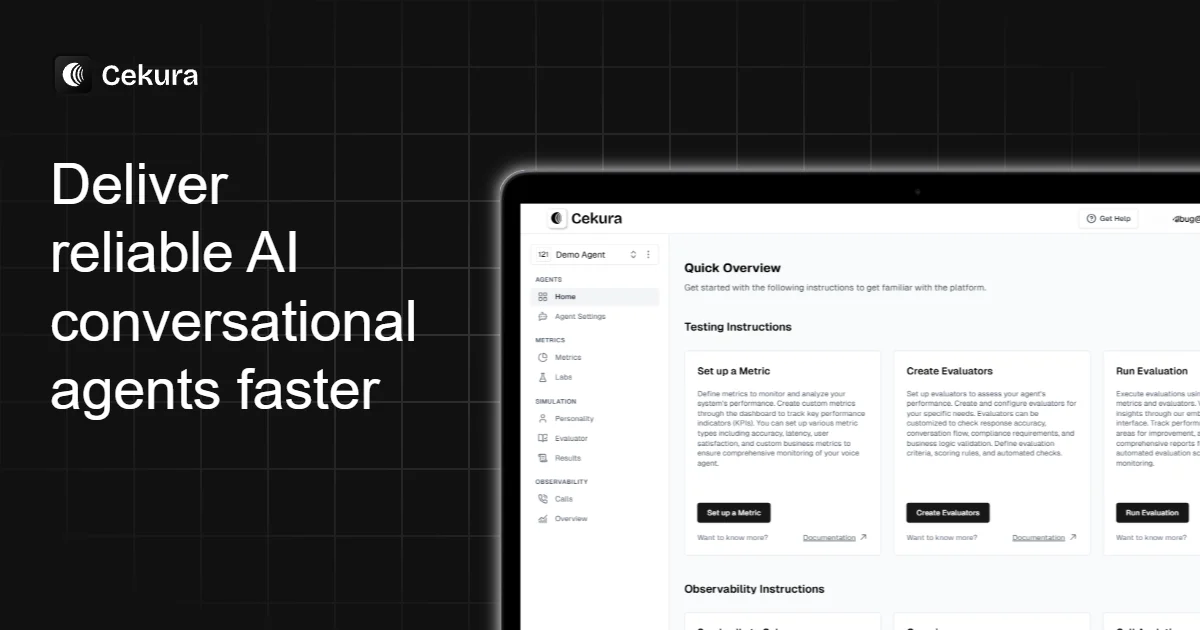
Cekura is a testing platform for voice and chat AI agents with simulated conversations, LLM-judge and code-based evaluators, production monitoring, and CI integration.
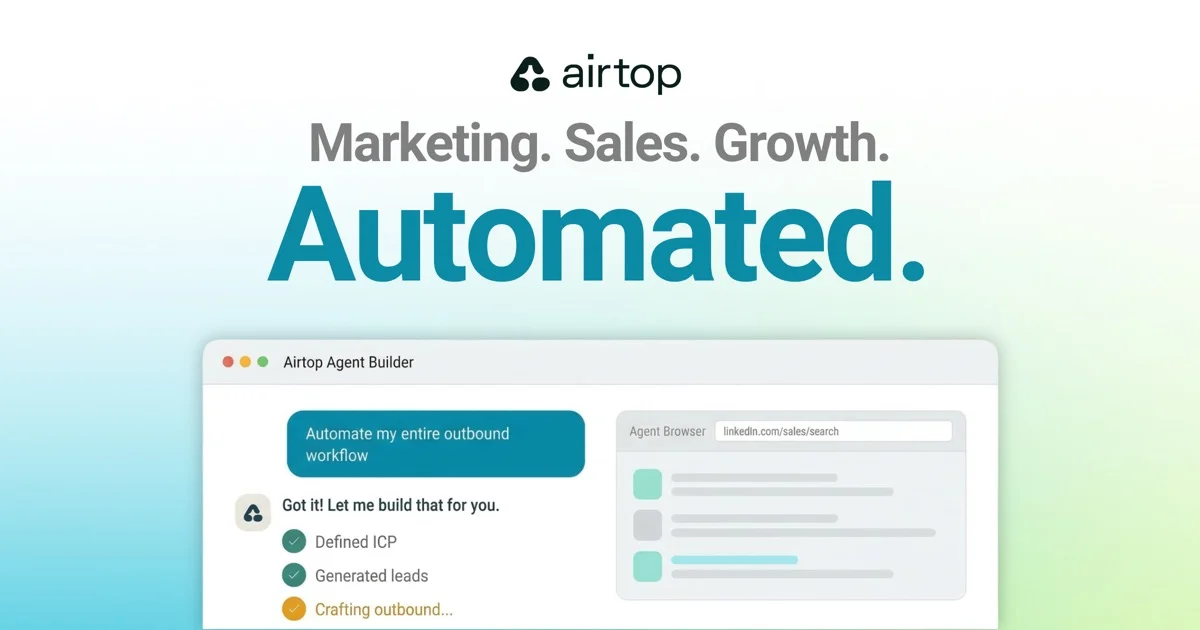
Airtop lets AI agents drive cloud browsers via Puppeteer, Playwright, or natural language. Handles bot detection, proxies, and captchas. Full setup guide, pricing breakdown, and alternatives.

Sonarly (YC W26) deduplicates noisy Sentry and Datadog alerts, runs root-cause analysis, and ships fix pull requests through Claude Code instead of paging on-call.

One (formerly Pica) is a Rust-based open-source agent infrastructure layer that gives any AI agent managed auth, audit logs, MCP access, and 70,000+ tools across 400+ apps via one CLI.
Lume is a free open-source CLI to create macOS and Linux VMs on Apple Silicon. Zero-touch setup, MCP integration, isolated sandboxes for AI agents. Native Virtualization Framework — no emulation.
Local-mode multi-agent matrix framework that runs supervised Claude Code or Codex agents — coordinated through JSON-RPC, per-agent worktree isolation, and async message bus.
Version control purpose-built for AI coding agents — blame which prompt wrote any line, inspect full change context, and track every agent turn as a content-addressed step.
Persistent memory layer for AI agents across sessions — 9-stage consolidation turns observations into facts, relationships, patterns, and wisdom over time.
AWS skills and MCP server for Claude Code, Codex, and Kiro — covers 300+ AWS services through CDK, CloudFormation, serverless, containers, and Bedrock agents.
Self-improving context layer for data agents — ingests databases, BI tools, and wiki content; builds semantic layer with automatic fan/chasm trap resolution.
Ingest documents into persistent navigable memory — tree-like hierarchy reconstruction, multi-modal parsing, and agentic RAG with evidence-based citations.
AnySearch MCP Server gives AI agents real-time web, finance, and academic search through one API key. Covers MCP, OpenAI functions, REST integrations, and Python setup in 10 min.
Animated desktop pets that react to Claude Code, OpenCode, and MCP agents — privacy-safe reactions and speech without exposing code or secrets.

AI agents pay per email request via USDC on Solana or Base and get their own inbox with IMAP, SMTP, and REST API. No signup, no API keys — just @agentmbox.com.

Hopper connects AI agents to your mainframe through Model Context Protocol, enabling natural language operations and autonomous workflows on COBOL/Java systems.

AI agents that autonomously monitor, root-cause, and remediate GPU infrastructure issues. Reduce compute costs, improve GPU utilization, and accelerate ML research. YC W26.
Runtime gives your whole team safe access to Claude Code, Codex, and other coding agents with snapshot environments, scoped secrets, and infrastructure-level.
AI agents that automate intake forms, chart prep, and referrals in healthcare clinics. HIPAA compliant with deterministic checks.
Sim Studio is a collaborative visual interface for building and deploying AI agent workflows. Design agents with a node-graph canvas, deploy as APIs, and.

YC W26 startup builds deployment infrastructure for sandboxed coding agents, research agents, and document processing tools that need filesystem access to work.
Klaus runs OpenClaw—the 375k-star open-source AI agent—on a dedicated EC2 instance with pre-configured OAuth, automatic hotfixes via ClawBert AI SRE, and zero.

Turn job descriptions into projects, projects into resumes, and resumes into interviews. AI-driven internship prep tool for CS students — from JD analysis to.

Spec-driven coding harness with self-improving context memory. 12 specialized agents, 32 skills — kills context rot and ships features instead of spaghetti.

CLI, SDK, and IDE plugins for adversarial AI agent workflows. Pit two AI agents against each other — one builds, one critiques — for higher-quality code.

Omnara is a web and mobile agentic IDE that lets you run Claude Code and Codex sessions from anywhere. Keep your coding agents running even when you're away.

Minicor connects AI agents like Claude Code and Codex to Windows virtual machines through an MCP server, enabling scalable desktop RPA with Python workflows.

Ardent gives coding agents production-like Postgres sandboxes instantly, so they can test SQL safely without risking your actual database.

Trace, debug, and evaluate AI agents in production with Lucidic's observability platform — one-line init, graph visualizations, and time-travel debugging.

Voygr provides real-time place intelligence for AI agents—business validation, freshness signals, and web context that Google Maps APIs cannot surface.

Canary reads your codebase, understands what a pull request changed, generates end-to-end tests for affected user flows, and runs them against preview apps.

Strata is an open-source MCP server that reveals AI tools step-by-step as an agent works, instead of overwhelming it with thousands of tools at once.

SourceTable Superagents lets you connect any spreadsheet to external databases, REST APIs, or MCP servers — turning Excel into a universal data hub powered by.
Sentrial monitors AI agents in production, detecting loops, hallucinations, and tool misuse the moment they happen. Here's how it works and how to set it up.
Mozilla-backed API that abstracts complex web browsing for AI agents—handles proxies, hydration, DOM parsing, and returns clean structured data instead of raw.

Notte records your browser interactions once and compiles them into deterministic automation code — no LLM at runtime, no fragile selectors.

Dedalus Labs spins up persistent full Linux VMs for AI agents in under 250ms. No Dockerfiles, no YAML configs — just SSH, GPU, and a Python SDK.

Propolis runs swarms of AI browser agents that explore your web app, find bugs, and generate Playwright e2e tests for your CI pipeline. Here's how it works.

Hyperbrowser spins up hundreds of headless browser sessions in secure isolated environments with sub-second launch times, captcha solving, and residential.

Dedalus Labs connects any LLM to any MCP tool via a single OpenAI-compatible API endpoint. Upload MCP servers to the cloud, skip the Dockerfiles and YAML.

Twill.ai is a YC S25 startup that lets you hand off coding tasks to cloud AI agents and get back finished pull requests on GitHub—no local setup required.

Voker is an agent analytics platform that gives engineering teams structured visibility into how their AI agents behave, perform, and cost — without digging.

Spine Swarm runs parallel AI agents across 300+ models simultaneously, enabling research and client-ready deliverable creation through a visual canvas.

Kita uses vision-language models to automate document-based credit review for lenders in emerging markets, parsing 50+ document types from PDFs to photos.

Smooth CLI replaces low-level click/type/scroll with natural language commands. 20x faster, 5x cheaper, and works with Claude Code, OpenClaw, and any AI agent.
Cloud browsers built for AI agents that need to navigate, scrape, and interact with the web at scale. Handles proxies, stealth detection, and concurrent.
YC W26-backed AI agent observability platform. Trace sessions, detect silent regressions, and A/B test prompts in production before failures reach users.

Superset runs Claude Code, Codex, Cursor, and other AI coding agents simultaneously in parallel workspaces. Orchestrate agents, automated workflows, and code.
Define multi-agent AI workflows in YAML and run them locally with one command. AgentMesh brings Docker Compose patterns to AI agent orchestration.

Evaluate Photo-agents for image-agent workflows, including license keys, Python isolation, sample-image testing, metadata checks, and batch safety.

Explore awesome-agentic-ai-zh as a Chinese agentic AI learning roadmap, with setup notes, track selection, study workflow, and evaluation guidance.