dev-tools
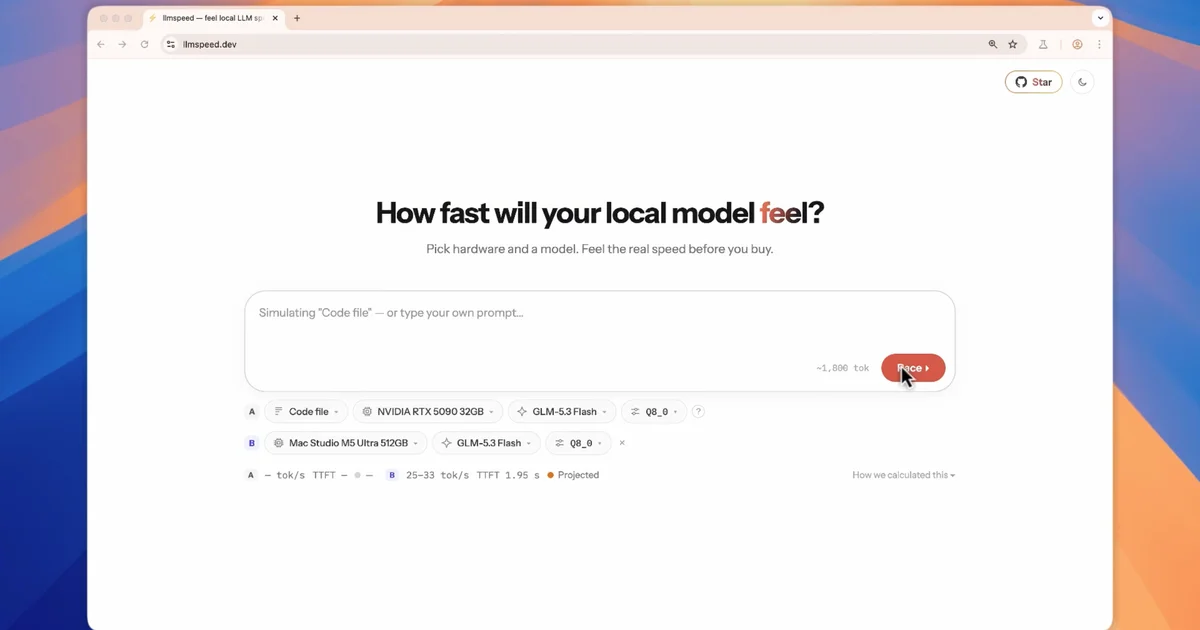
llmspeed: Feel Local LLM Speed Before You Buy Hardware
llmspeed simulates tokens per second and time-to-first-token for local LLMs across 30 GPUs, Macs and CPUs, so you can judge hardware before buying.
#dev-tools#local-llm#benchmark
Tag
39 posts tagged #llm
Browse 39 posts tagged LLM. Setup notes, reviews, comparisons, and workflow patterns.
llmspeed simulates tokens per second and time-to-first-token for local LLMs across 30 GPUs, Macs and CPUs, so you can judge hardware before buying.
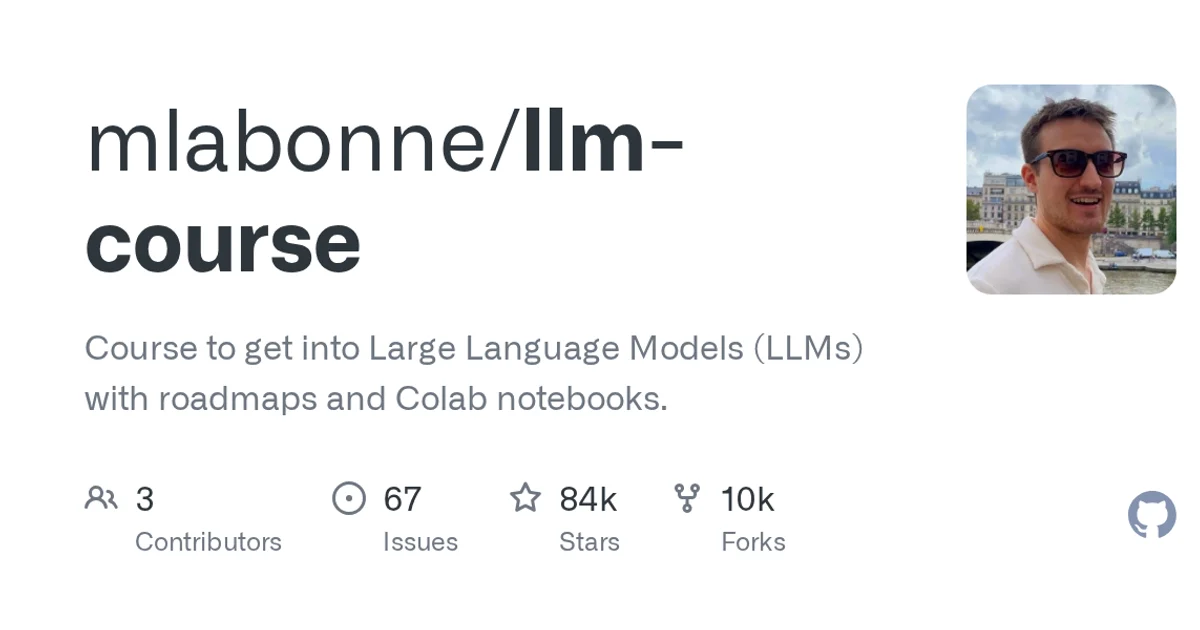
mlabonne's llm-course is a free, Apache-2.0 licensed LLM curriculum with roadmaps and Colab notebooks. 84,071 stars and counting.
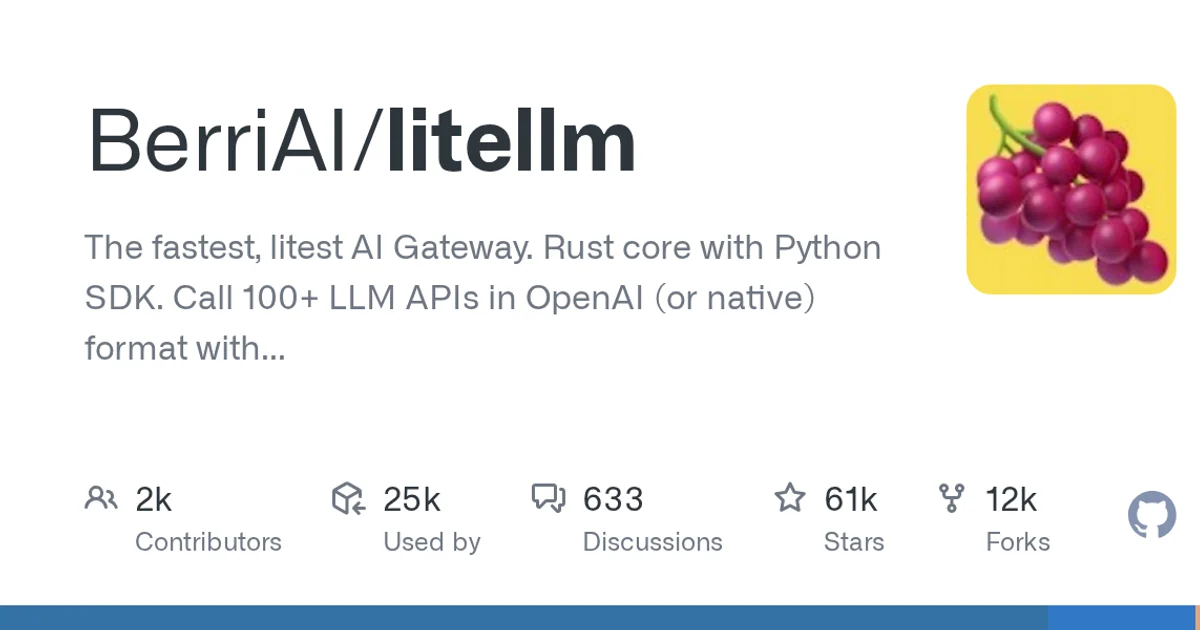
LiteLLM puts 100+ LLM providers behind one OpenAI-shaped API, adding cost tracking, guardrails, load balancing, and logging. 60.7k stars.

WeKnora is Tencent's open-source LLM knowledge platform for turning raw documents into a queryable RAG, reasoning agent, and self-maintaining Wiki. Go, 25k stars trending.

ECC is an MIT-licensed agent harness performance system bundling skills, instincts, memory, security, and research-first development for Claude Code, Codex, and Opencode. 260k stars.

Colibri is a pure-C inference engine for frontier mixture-of-experts LLMs with zero external dependencies. It streams expert weights from disk, runs on commodity CPUs, and ships in a tiny binary.

Open source AI agent for mathematical modeling competitions. Ingests a problem, plans an approach, runs the analysis, and produces a submission-ready paper.

Cross-platform desktop app that ingests your documents and turns them into an organized, interlinked knowledge base you can query with an LLM.

Build and deploy serverless data API backends in minutes with Fleak's no-code IDE. Chain SQL, LLM, and Lambda steps into production endpoints — no infrastructure config needed.
UpTrain is an open-source platform with 20+ pre-configured LLM evaluation checks, root cause analysis, and a local dashboard. Apache-2.0 licensed.
Kolosal AI is an open-source C++ desktop app for running LLMs offline on any AVX2 CPU or AMD/NVIDIA GPU. ~20MB compiled, Apache-2.0 licensed.
A Python framework that simplifies building and managing multi-step LLM applications. Self-hosted, open source, with version control for prompts and built-in FastAPI.
Tokenless is a YC S26 model router that fans out API calls to multiple models, selects the best responder, and cancels the rest — dropping costs by 50 percent with no quality loss.
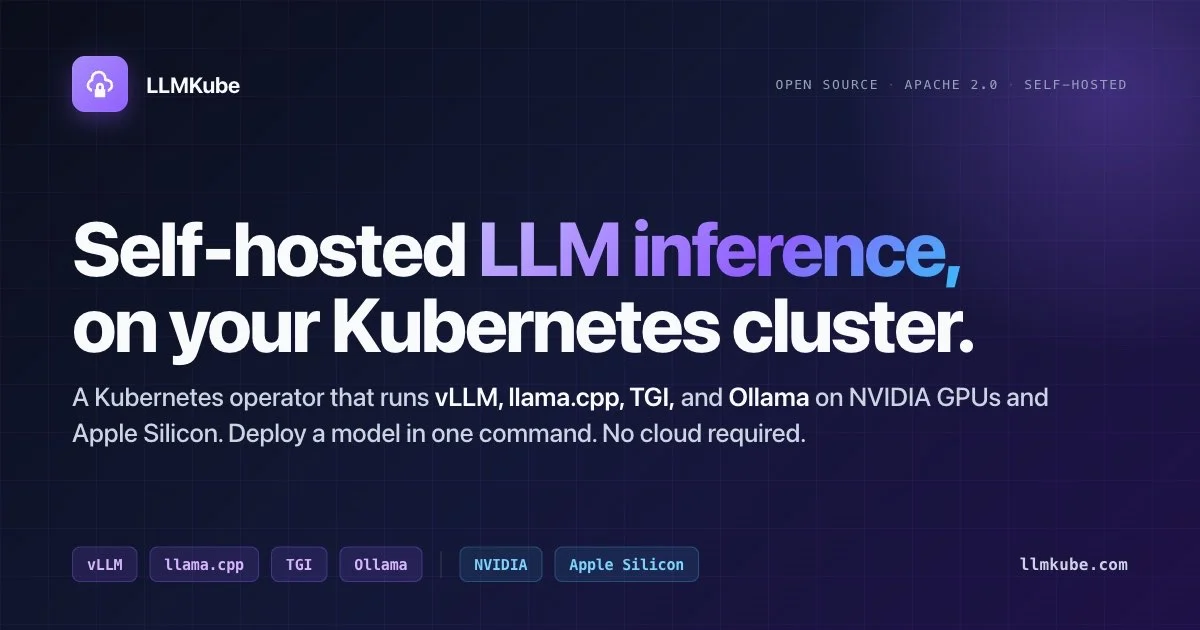
LLMKube is an open-source Kubernetes operator that manages local LLM inference across NVIDIA, Apple Silicon Metal, and AMD GPUs from a single YAML spec, with an OpenAI-compatible API.
Open-source edge AI engine that runs local LLMs on iOS, Android, and wearables using custom quantization, CPU/GPU kernels, and an OpenAI-compatible API.
RΞASON is a minimalistic TypeScript framework for building LLM apps with structured outputs, function-based agents, streaming, and zero-config OpenTelemetry observability.
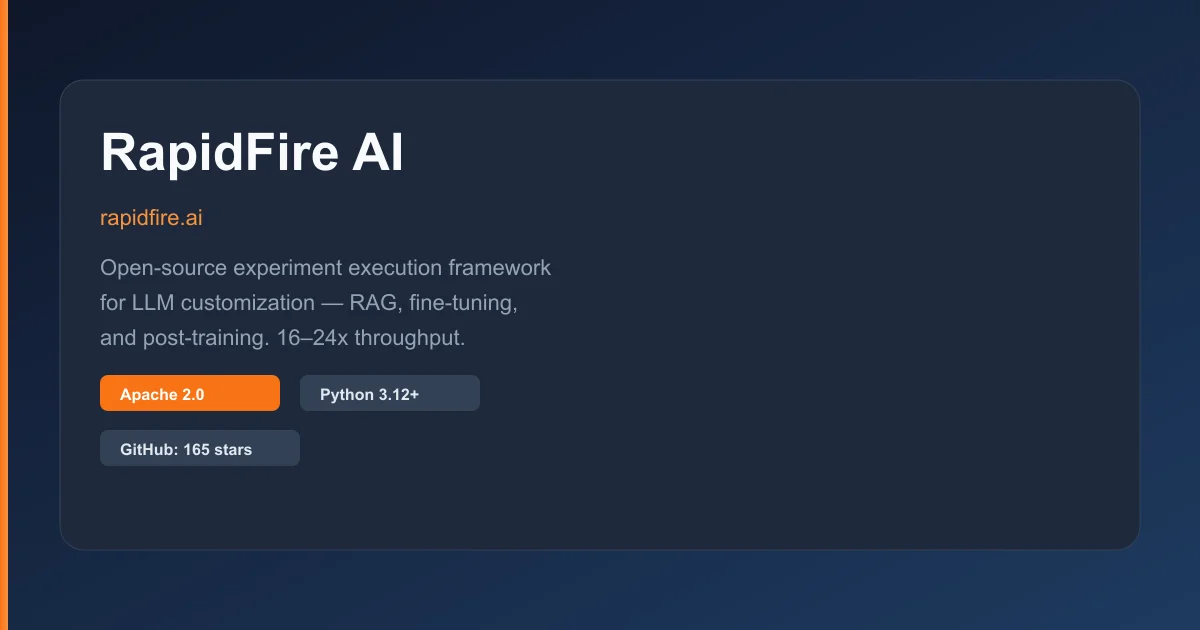
RapidFire AI is an open-source experiment execution framework for LLM customization — RAG, fine-tuning, and post-training — delivering 16–24x throughput over sequential pipelines.
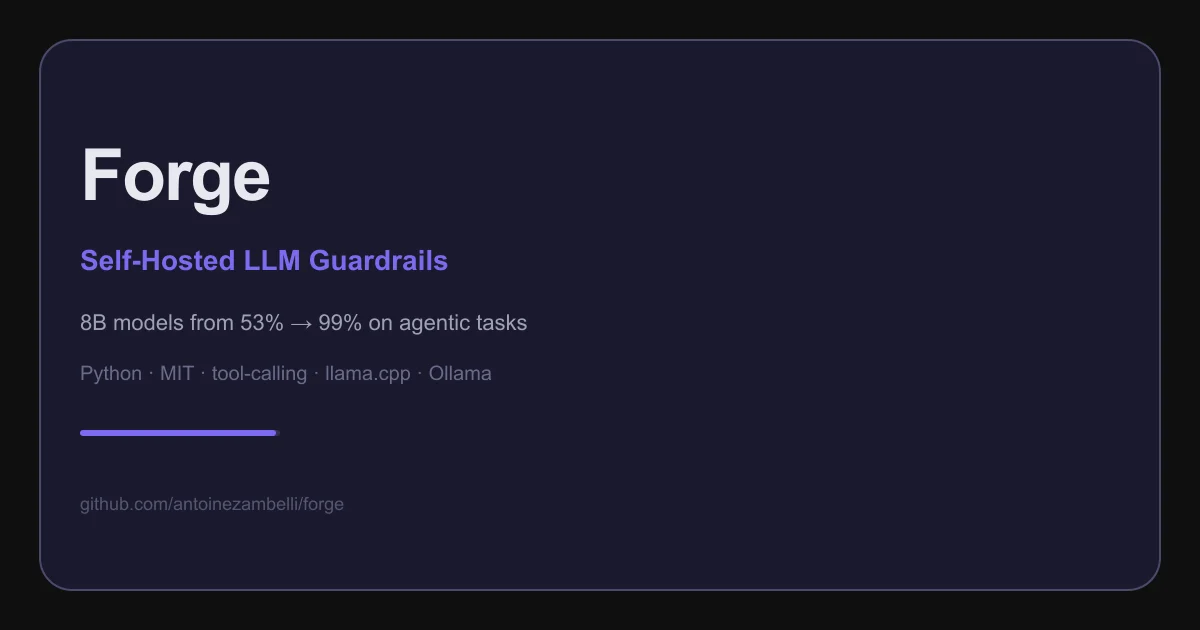
Forge is a Python reliability layer that wraps self-hosted LLM backends with tool-calling guardrails, pushing an 8B model from 53% to 84%+ success on agentic tasks.
A lightweight self-hosted tool that runs multiple llama.cpp server instances simultaneously, with OpenAI v1 API compatibility and a real-time GPU dashboard.
Open-source web scraping API that converts any URL into clean Markdown or structured data for AI agents. Supports search, scrape, crawl, and map endpoints with LLM-ready output.
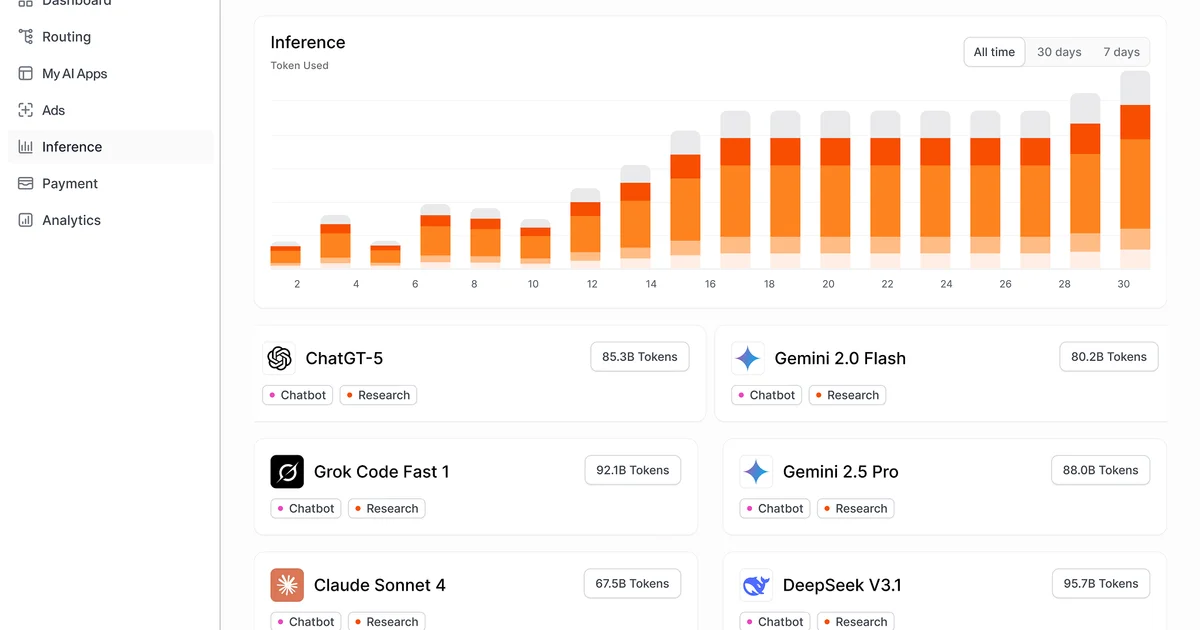
One API to route across OpenAI, Anthropic, Google, and more. Sudo handles context management and monetization so developers can focus on building AI products.

Vocode is an open-source Python library for building real-time voice-based LLM applications. Deploy to phone calls, Zoom meetings, and more. MIT licensed, 3.7k stars.
Self-hostable tools for testing prompts, LLMs, and vector databases from code or a local Streamlit playground. Apache-2.0 licensed.
Open-source platform for extracting structured data from unstructured documents using LLMs. Deploy as API or ETL pipeline.
Measure how well your hardware runs local AI models. Open-source benchmark tests prompt speed, generation speed, and time-to-first-token for LLMs.
Parastore is a synthetic-consumer retail sandbox where you draw a store, generate LLM personas, and watch them shop an isometric 3D space with pathfinding and per-aisle analytics.
Learn how journal-adapt-writing-skill turns a manuscript and a target journal's papers into an auditable dynamic writing skill for Claude Code and Codex revision work.
Skyvern is an open-source AI agent that automates complex browser-based workflows using LLMs, supporting multi-step tasks, form filling, and API integrations.
A curated directory of 316 tools for building AI agents, LLMs, and RAG pipelines. Browse by category, use case, and stack.
TokenSpeed targets agentic LLM inference with static-compiler parallelism, KV-safe scheduling, and aggressive Blackwell-era performance goals in its preview release.
Drop Karpathy's viral CLAUDE.md skill into Claude Code or Cursor — 4 behavioral principles that kill over-engineering, drive-by refactors, and assumption bugs.
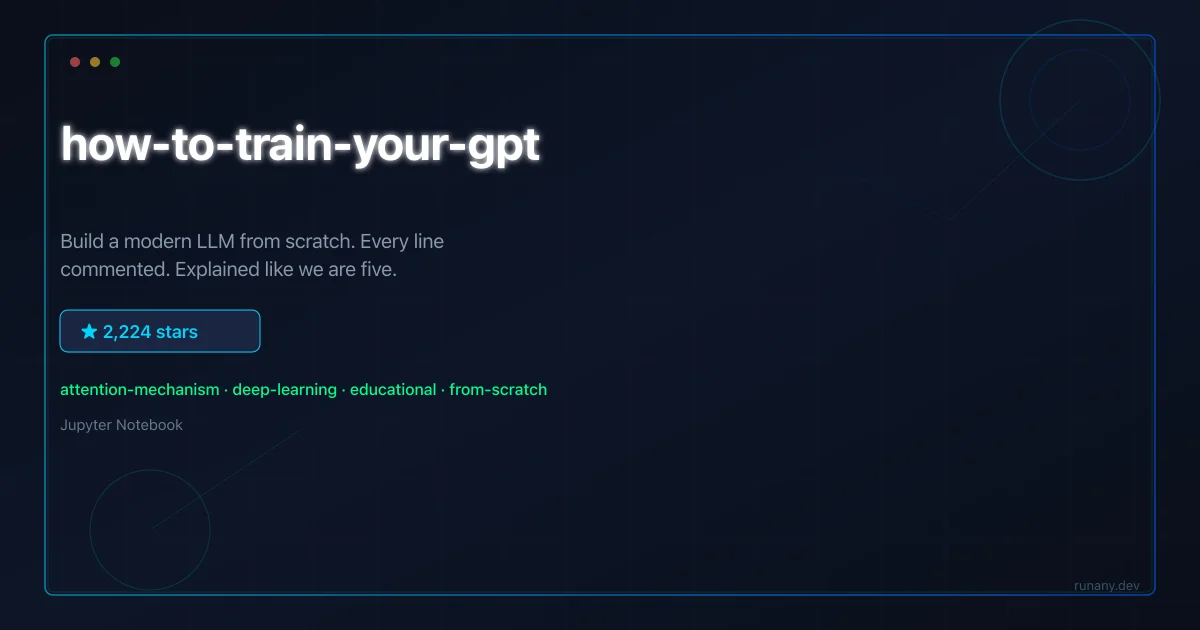
raiyanyahya/how-to-train-your-gpt teaches modern decoder-only LLM internals with a 12-chapter walkthrough, runnable notebooks, a commented `main.py`, and fine-tuning guides aimed at Python developers.
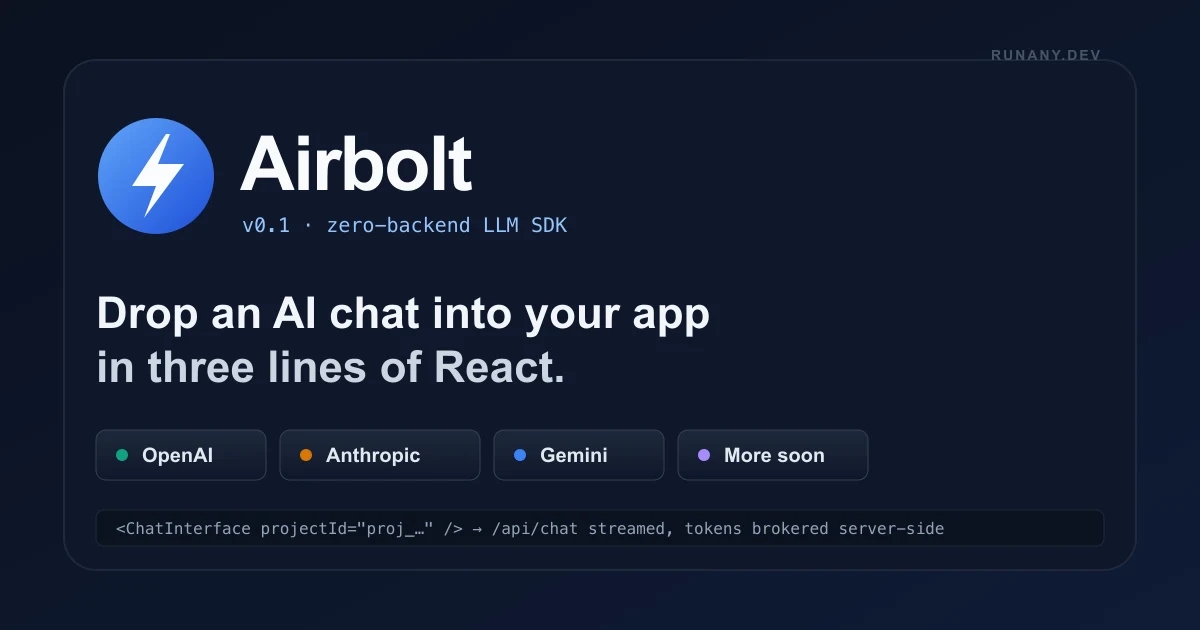
Airbolt is a zero-backend LLM SDK that drops a working AI chat into any React app in three lines. Bring your own OpenAI keys; the SDK encrypts them with AES-256-GCM and rate-limits per user.
Parastore turns shelf plans and product catalogs into 3D store simulations where shopper personas move, browse, and buy for synthetic consumer testing.
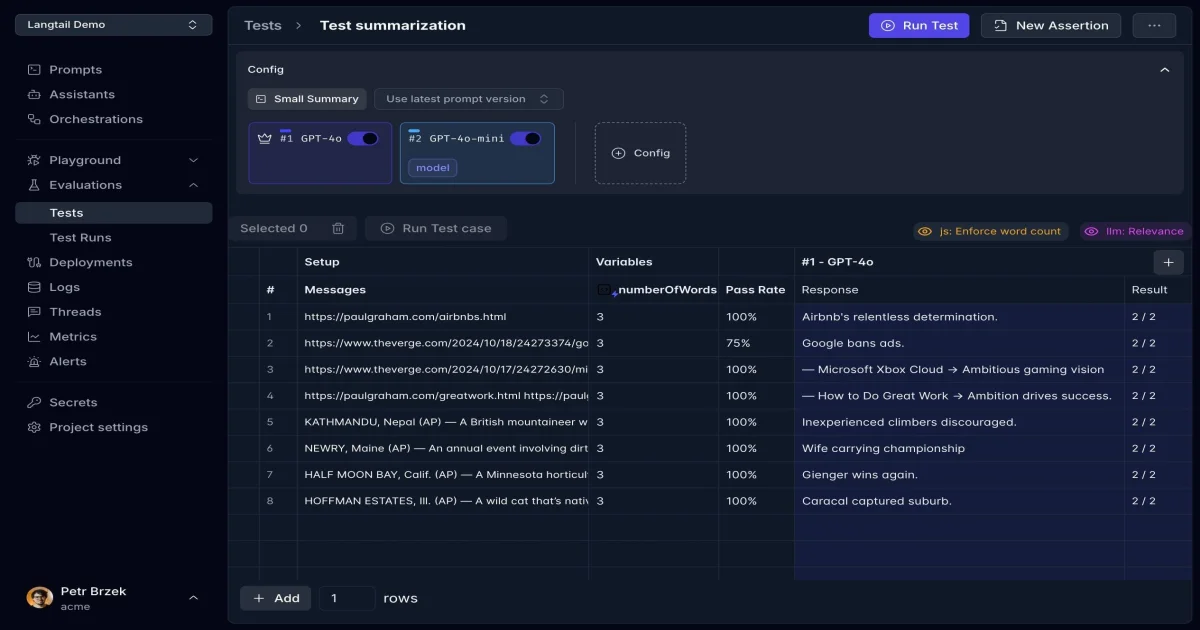
Langtail is a collaborative prompt management platform that lets teams build, test, and deploy AI prompts with a spreadsheet-like interface, evaluation tools, and an AI firewall.
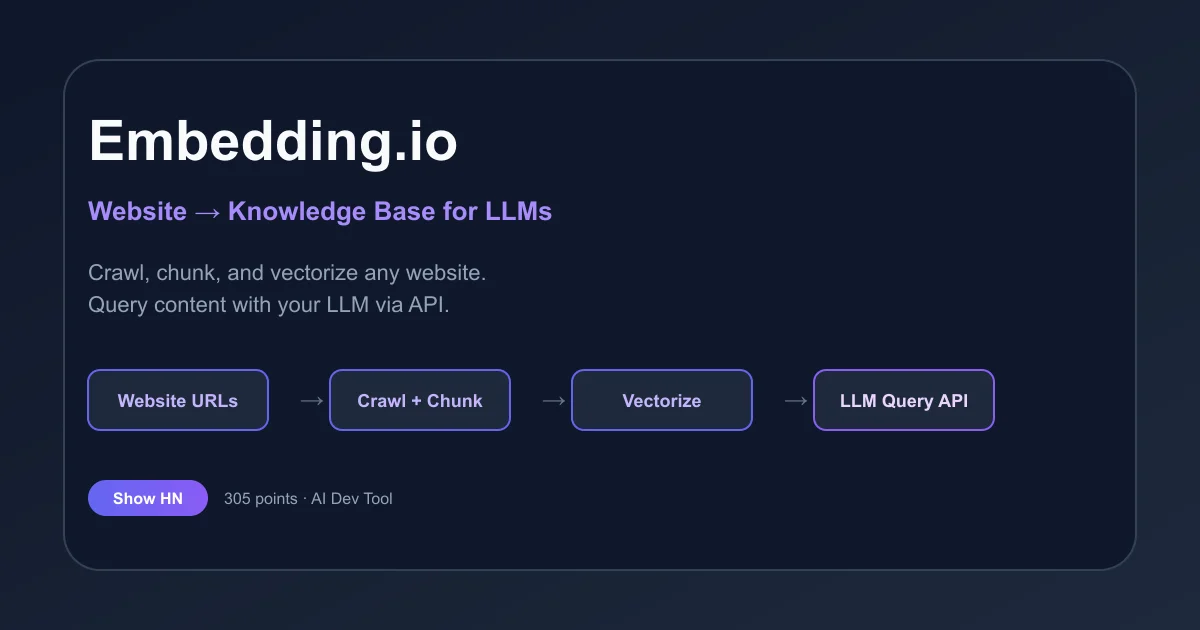
Crawl, chunk, and vectorize any website into a queryable knowledge base. REST API with collections, scheduled updates, and built-in RAG for LLM applications.

Rivet is an open-source desktop IDE from Ironclad for building, debugging, and deploying LLM prompt graphs. Ships with a TypeScript runtime library.
Future AGI is a self-hostable platform for evaluating, observing, and improving LLM apps. Includes tracing, evals, simulation, datasets, an AI gateway, and.

Set up Raindrop Workshop for local agent traces, tool-call debugging, replay workflows, SQLite storage, instrumentation, and eval repair loops.