ai-setup
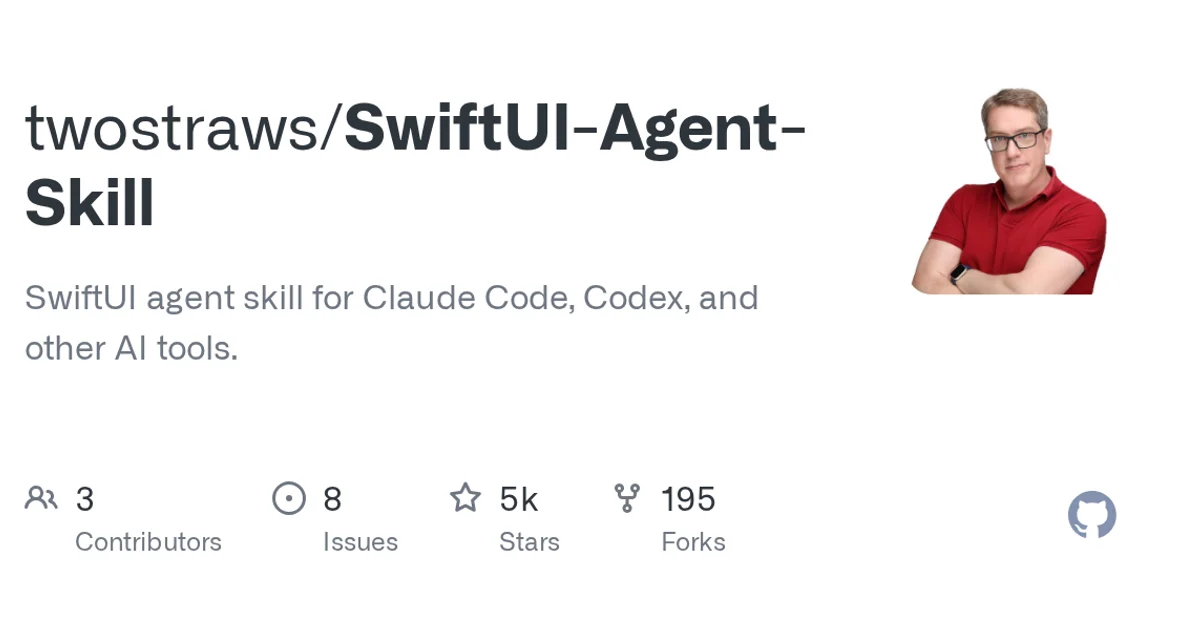
SwiftUI-Agent-Skill: SwiftUI guidance for coding agents
A MIT-licensed agent skill giving Claude Code, Codex, and other AI tools SwiftUI-specific guidance. 5.4k stars from a 59 KB repo.
#github-trending#agent-skills#swift
Tag
10 posts tagged #codex
Browse 10 posts tagged Codex. Setup notes, reviews, comparisons, and workflow patterns.
A MIT-licensed agent skill giving Claude Code, Codex, and other AI tools SwiftUI-specific guidance. 5.4k stars from a 59 KB repo.

Addy Osmani's agent-skills is a JavaScript-based collection of production-grade engineering skills for AI coding agents, with first-class support for Claude Code, Codex, Cursor, and Antigravity.
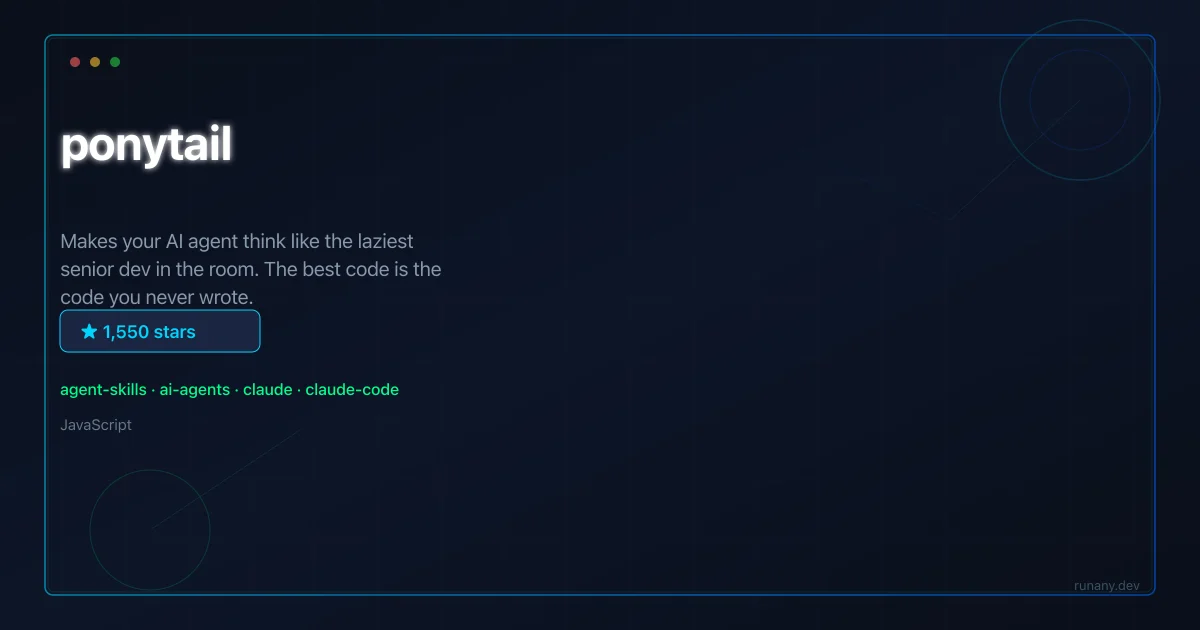
Ponytail is a portable AI coding skill pack that pushes Claude Code and Codex toward smaller diffs, fewer dependencies, and measurable cost savings. Drop-in setup guide.
Lanes is a macOS desktop workspace for running multiple AI coding agents (Claude Code, Codex, Gemini) side by side on isolated git worktrees, with a shared issue board.
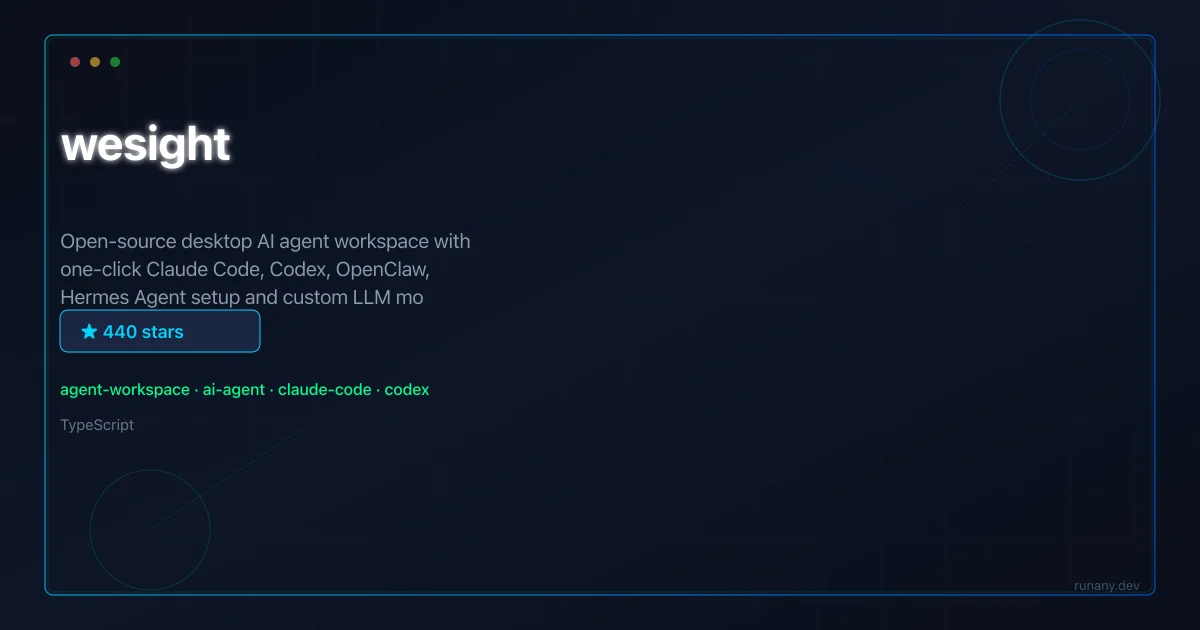
WeSight wraps Codex, Claude Code, OpenClaw, and other local agent CLIs in one macOS workspace with model routing, runtime metrics, and skills.
Petdex turns Codex pets into an installable ecosystem with a web gallery, npm CLI, desktop floater, and documented pet package format for builders.
Tessera organizes Claude Code, Codex, and OpenCode into one workspace with panes, tabs, worktrees, and Git status. This guide covers install paths, first run, architecture, and adoption tradeoffs.
Microsoft Intelligent Terminal adds ACP-native agent panes, error-aware fixes, session tracking, and prompt delegation to a Windows Terminal fork for Copilot, Codex, Claude, and Gemini.
WeSight turns Claude Code, Codex, OpenClaw, and other local agent CLIs into one macOS desktop workspace with visual chat, live diffs, model routing, skills, and runtime metrics.
Setup guide for Taste-Skill — an agent skill that makes Codex, Cursor, and Claude Code output frontend with real design taste instead of generic boilerplate.